How to Solve Britain’s Health & Social Care Crisis
Author
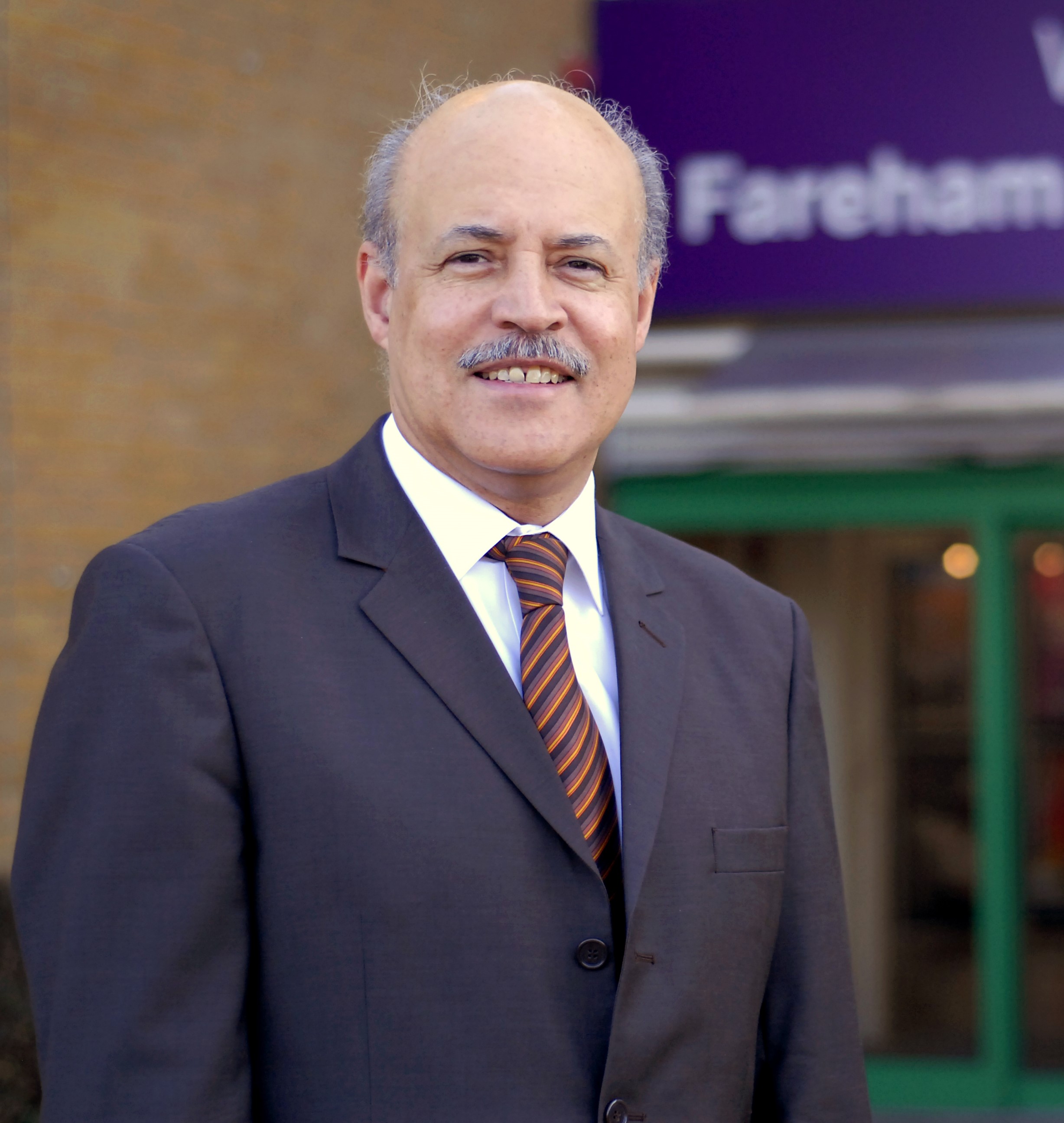
Carl M Groves BSc MA MBA
Hampshire, UK
Email: carle.groves@btinternet.com
Document Publication Date: 12 October 2024
Copyright © Carl Groves, 2024
How to Solve Britain’s Health & Social Care Crisis
Introduction
All areas of government policy are important, but some play a particularly crucial role in defining what it means to be a member of any society, and in the case of the UK, what you can expect to experience as a British citizen or resident. I would define these four policy areas as Housing and Amenities, Health and Social Care, Education and Training, and Security and Justice. This article concerns itself with Health and Social Care, and how the current crisis in this area of public service provision can be addressed.
The Pressure on State Funded Health & Social Care
Throughout our history, an increase in population size has been driven mainly by an increase in the birth rate. However since the 1980s – and in stark contrast to the post-war decades which preceded it – government economic and social policies started to favour the older demographic at the expense of the needs of younger generations, and this contributed to a marked fall in the birth rate and to an increase in both the actual and proportional size of Britain’s older population in recent decades. As a result, UK population growth today is primarily driven by an increase in the numbers of elderly people and then secondly by net inward migration but most certainly not by an increase in the birth rate. Whilst there was a temporary uplift in the UK birthrate in the 2000s, even then, it never recovered to the replacement rate of 2.1 children per woman; and since then it has continued its long-term decline to well below replacement levels, to just 1.49 children per woman in England and Wales (2022).
The period 1997 – 2024 saw large increases in Britain’s population, rising by 5 million between 1997 – 2010 and yet another 5 million between 2010 – 2024, to reach 68 million today. Some of this increase was due to net migration into the UK including significant numbers of younger adults; and yet, it is still the case that the size and proportion of the overall UK population, aged 65-and-older, increased substantially over this 27-year period. According to the Office for National Statistics (ONS) there were around 12.7 million people aged 65-and-over in 2022, making up 19% of the UK population; given the strong demographic trend, this will certainly have increased to over 13 million today and to over 20% of the population. The scale and significance of this demographic phenomenon has been hugely underappreciated by policy makers for the impact it has had on every facet of social and economic life in Britain during the first quarter of the twenty-first century, let alone what is predicted to happen in the next quarter. It is interesting to reflect that without a high level of net migration – some of which ironically was to support our understaffed health and social care services – the proportion of the UK population today over the age of sixty-five would have been even larger.
When we look at research conducted by the Intergenerational Foundation and the Resolution Foundation, we can be certain that government policies from the 1980s onwards have favoured Britain’s now older generations at the expense of Britain’s now younger and future generations. Of most relevance to this article has been the huge expansion in demand for state provided health and social care services in the current century. If we look at the cuts in local council budgets during the long decade of austerity (from 2010 – 2024) we can see that many local services were reduced – or even cut out completely – to prioritise the growth in demand for adult social care. At the same time, a wide range of political, economic, and fiscal measures have favoured the interests of an increasingly wealthy older population, leading to a situation today in which we have some 9 million people aged 60-and-over who are the single most affluent demographic group which has ever existed in Britain.
A range of policies since the 1980s have combined to increase the size and longevity of the UK’s older population, and, in the process, they have created an insatiable demand for health care (in particular) and for state supported social care. Fortunately, providing the government grasps the nettle, the favourable circumstances of many millions of better off older people could present us with at least some solutions to this enormous social and fiscal policy challenge.
Government Responses to the Challenge
So what has been the response of British governments in recent decades to what should have been an obvious and highly predictable health and social care challenge? According to The Kings Fund, the Labour government 1997 – 2010 ensured average real terms annual increases in the NHS budget of 5.5%. However, under various Conservative-led administrations between 2010 – 2024, the average real terms annual increases in the NHS budget were initially only 1.1% (2010 – 2015) and rising to only 2.8% (2015 – 2023).
Between 2010 and 2024, the UK Government’s perverse response to the challenges of unlimited demand for health services was to ensure that pay awards in the NHS did not keep pace with inflation (i.e. a policy of real-terms salary cuts for doctors, nurses, and other NHS staff) and to reduce the established level of annual funding increases from those enjoyed throughout the 2000s in the vain hope that operational efficiencies would happen spontaneously, and presumably in the hope that ever rising levels of unfilled staff vacancies and patient waiting lists would discourage demand for health services as such. In addition, major reforms to the NHS – which came to be known after their architect as the Andrew Lansley Reforms – attempted to use some aspects of a market system within the NHS and in the commissioning of health services.
The consequential Health and Social Care Act 2012 removed responsibility for healthcare from the Secretary of State for Health – which the post had carried since the inception of the NHS in 1948 – and instead transferred this responsibility to a new executive agency of the Department of Health called Public Health England. The Act abolished primary care trusts (PCTs) and strategic health authorities (SHAs) and transferred £billions of funding from the former PCTs to several hundred clinical commissioning groups (CCGs) which, in England, have mostly been created around local GP practices or consortiums of GP practices. The British Medical Journal said at the time that the inevitable consequence of these reforms would be to push the NHS towards privatisation. It is interesting to note that many of the structures established by this Act of Parliament were dismantled in the Health and Care Act 2022, and by the same party of government which had introduced them. History will judge the Lansley Reforms as another failed attempt to apply neo-liberal political ideology to public services.
With the publication of the Darzi Report (September 2024) we now have confirmation that the Lansley Reforms, together with the under-funding of the NHS throughout the entire period 2010 – 2024, not only hindered Britain’s response to the Covid-19 pandemic but has resulted in an NHS patient treatment waiting list which today numbers a record 7.62 million (in 2024). Since 2010 there has not so far been the necessary uplift in NHS funding to address the extraordinary costs imposed on the NHS and social care by the growth in the size and longevity of the pensioner age-group as previously detailed. Polly Toynbee (in The Guardian, 12 September 2024) reports that three-quarters of those currently occupying hospital beds are aged 65-and-over, and yet the 122,000 hospital beds available to the NHS in 2010 has been reduced to just 97,000 at the present time. This older demographic occupying most of our hospital beds includes large numbers of elderly patients with dementia and other common conditions of advanced old age – such as urinary tract and chest infections – which could be treated at home and in the community. But perhaps the greatest inefficiency of all, imposed upon the NHS, is the 13% of patients in hospital wards who are medically fit to be discharged but are waiting for care to be organised at home. It is now beyond the obvious that the NHS needs to run alongside a National Care Service (NCS).
Policy Options for Health & Social Care
So how should we as a nation deal with the UK wide crisis of under-funding and over-demand in health and social care? Firstly, we should make a long-term national commitment to match the very best per capita funding levels achieved by our most comparable European neighbours – namely, France, Germany, Italy, and Spain – in the resources we devote to health care and to state provided social care. In return for this commitment there must be a focus on long-term planning and value for money in the DHSC, the NHS, a new NCS, and in local council community-based health and social care services. However, we must all recognise that even within this new and much more generous funding methodology, any UK government will still be faced with a requirement to ration health and social care services.
Surreptitiously of course, it is the case that rationing goes on in the health and social care services already, but it is currently executed in highly unacceptable and perverse ways; such as:
- a postcode prioritisation of HSC services and treatments which favour some geographical areas over others (largely for political reasons);
- the sharpest elbows (which includes family pressure and persistence) garnering as much of the scarce HSC resource as possible;
- first-come-first-served (e.g. which ambulance gets to A&E first);
- clinicians being forced into clinical judgements which are budget or resource driven;
- hospitals, GP surgeries, local authority public health and social care departments all given insufficient or inadequate budgets, staffing, and facilities to fulfil even statutorily prescribed service requirements.
This ad hoc arrangement has the cynical ‘advantage’ for UK politicians that they never need to acknowledge the fact of health and social care rationing in Britain. This could be labelled the ‘British model of health and social care rationing’ and it reflects our political class at its most cowardly. It also means that some people in advanced old-age receive successive, and continuous life-extending medical treatments whilst some children wait for a treatment that would give them any chance of a life at all. It’s time for us all to grow up, to recognise some less worthy features of our national culture, and to be more honest about the choices we need to make; that is, formally rather than informally, and transparently rather than covertly.
As a first step, the Department for Health & Social Care should produce a workable range of possible options for the formal rationing of their services that are concomitant with a range of possible government revenue and capital funding allocations. The British people should then be consulted via local council meetings, on-line surveys, and media debates as to their health and social care service preferences within these budget scenarios. The results of this detailed consultation should be used in government and parliamentary debates as a basis for formalising a Health & Social Care Rationing Policy, so that even a much more generous HSC budget than at present, i.e. the best of any larger western European nation, is not itself overwhelmed by patient demand.
It was very noticeable during the Covid-19 Pandemic that a very much more extreme form of NHS rationing was imposed in the UK, and that the government at the time was more than willing to prioritise Covid-19 disease above cancer, stroke, cardiovascular disease, and virtually every other type of medical condition. However, the net effect of the UK government and parliamentary response to Covid-19 – as I believe is much of our current ‘informal’ NHS rationing policy – was to greatly prioritise the needs of older people, particularly the influential higher-income/asset-rich, at the expense of the middle-aged population, and younger adults and children. Ongoing political pressure in the UK at the present time to apply a cap on social care costs for the elderly, coinciding as it does with wholly inadequate levels of social care funding to local councils, is also an attempt to prioritise the interests of a large higher-income/asset-rich elderly cohort (and, of course, their inheritors) at the expense of everyone else.
The Integration of Health and Social Care
Although a Department of Health & Social Care (DHSC) already exists within our central government structure, it most certainly is not fulfilling the wide-ranging role as defined in its title. The social care component is not only underrepresented by the work of the DHSC but even after six years in existence there is still no public policy mechanism for the integration of these two highly complementary public services. This gaping hole lies at the heart of so much of the inefficiency which I believe is imposed upon the NHS. Whilst there is clearly a more general ongoing issue of over-demand / under-resourcing in the NHS, it is an act of policy madness that hugely expensive acute hospital beds are blocked by people who don’t have an acute medical need but for whom there is no package available of much less expensive social care.
As well as the lack of will to solve this problem there is another issue: the UK tradition of health care being a national service and social care being a local service. The answer is to create a National Care Service (NCS) but one that includes both regional and local government components. In other articles I have made the case for a system of regional government in England, and this has the potential to make the provision of local health and care services fairer and more efficient by bridging the enormous gap which exists between the government at Westminster and the local area provision of health and social care services [see: A Manifesto for Britain 2024 at carlmgroves.blog]. These proposals envisage that the ultimate responsibility for coordinating and completing the process of finding the necessary social care provision for patients who are ready to leave hospital – often the advanced elderly and the frail – will fall to regional authority health and social care departments.
Another response to the need for more social care, which I believe needs much more consideration, is an ‘Enhanced Attendance Allowance’ to be payable to a relative who is willing and able to leave work to care for an elderly person at home. Rules will need to be put in place to ensure that public funds for social care are mainly used to support essential personal care and are not appropriated to provide housekeeping services for affluent pensioners. This will indeed involve additional public expenditure but will free up the time of doctors, nurses, and other health care staff to better deal with the enormous backlog of acute patients in the NHS.
The ideas above offer examples of how additional social care provision and financial support could lead to disproportional improvements in our health service; and at the very least they point to a need for much more connectivity between health and care services.
The Future Resourcing of Health and Social Care
So the big question which any discerning reader will by now be asking is: How can this be paid for? As for a number of other public services in the UK, the improvements to health and social care described in this article should be funded by ensuring that higher-income/asset-rich people – including 9 million better-off retirees – pay the same rates of Common Personal Income Tax (CPIT*) as every other UK citizen and resident, and in addition, are not given universal benefits such as Free Bus Passes, Travel Discounts, Free Dental Care, and so on, for services that many millions of older people can so easily afford but for which most lower-income/asset-poor working people are forced to pay.
[*In the interests of equality and intergenerational fairness, all forms of personal income: wages, pensions, interest, rents, dividends, profits, and capital gains i.e. both earned and unearned income should be treated the same within a newly defined Common Personal Income Tax (CPIT) and for the UK’s many tax exemptions and deliberate ‘tax loopholes’ to be closed.]
CPIT would have a Common Personal Income Allowance (CPIA) below which no CPIT is payable at all. Above the CPIA limit, CPIT would be payable at a basic percentage rate and at a higher percentage rate in the same way as income tax is levied at the current time. It is my contention that Employee National Insurance should be merged with Income Tax within this new CPIT system, for the following reason. In the immediate post-war era when life expectancy for most people was only a little above retirement age, and when the source of income in retirement was almost exclusively the state pension, it was widely accepted that National Insurance payments should cease at retirement. But in an era that boasts millions of multi-pension, asset-rich older people with retirement spans of 15, 20, 25, and even 30+ years – largely (and ironically) due to NHS life-extending treatments – it is no longer tenable or acceptable to excuse several million affluent older people from an income tax, ostensibly levied to support the NHS, which is imposed upon hard-pressed younger people and the working population in general.
It is further proposed that the starting point for any form of income tax deduction will be raised to £15,000 per annum. In this way, no-one will start to pay any form of income tax until their income is approximately two-thirds of the minimum wage. Such a substantial increase in the amount of income tax allowance will also directly address the issue of those pensioners – recently highlighted in the debate over the means testing of the Winter Fuel Payment – whose income is only a little above the full state pension and yet become liable for income tax. The collection of income taxes would, under these proposals, be much more fairly spread between different income levels and between different generations.
Alongside the introduction of CPIT, universal pensioner benefits (except perhaps for free medical prescriptions, eye, and hearing tests) should be targeted at ‘State-Pension-Dependent’ pensioners and not at higher-income/asset-rich pensioners and retirees who today are the single most affluent social group that has ever existed in the UK.
Conclusions
Often one hears the phrase that if a particular problem ‘were easy to solve, then it would have been done by now.’ Although Britain’s health and social care crisis is certainly a difficult problem to solve, it is my contention that the difficulty is not of a technical or even a financial nature but more about the need for politicians to overcome a moral cowardice coupled with a fear of the UK’s ever-larger affluent older population. After all, as we have seen it is this older demographic that receives a disproportionate amount of health and social care resources and who should understand better than anyone that these resources have become unaffordable within our current health and social care funding allocations and delivery models. Data derived from the work of the Institute for Fiscal Studies, the Intergenerational Foundation, and the Resolution Foundation shows that equalising the personal tax system for all age-groups, means testing all universal benefits, and closing a myriad of tax loopholes, will raise annual UK tax receipts by approximately £100 billion. The additional tax revenue would be more than enough to fully implement the proposals contained in this article and to solve Britain’s health and social care crisis; and so much more besides.
Carl M Groves (October 2024)
 Public Policy Revisited
Leave a comment